GH4039 High Temperature Alloy Rod For Aero Engine Combustion Chamber
Descriptions
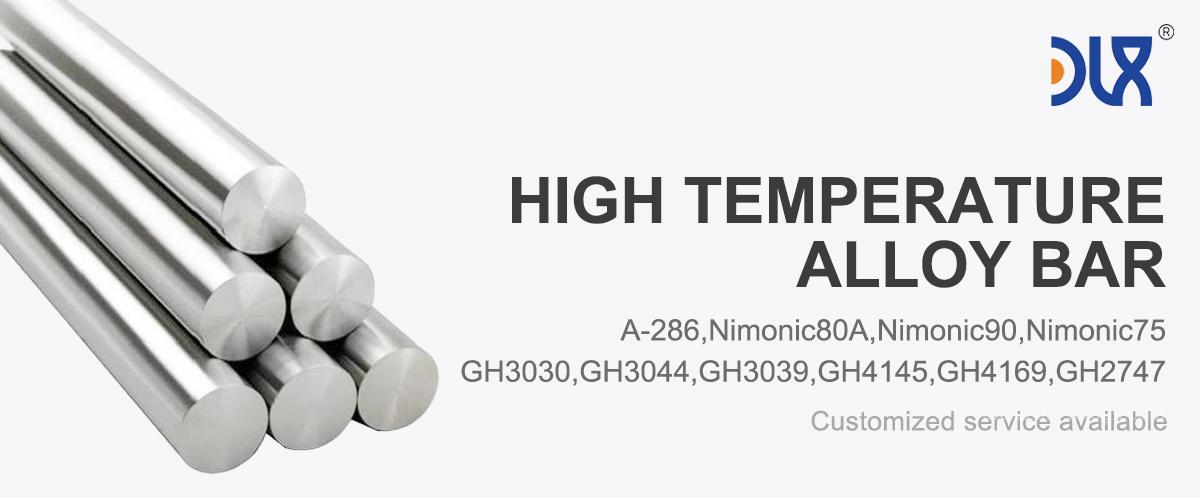
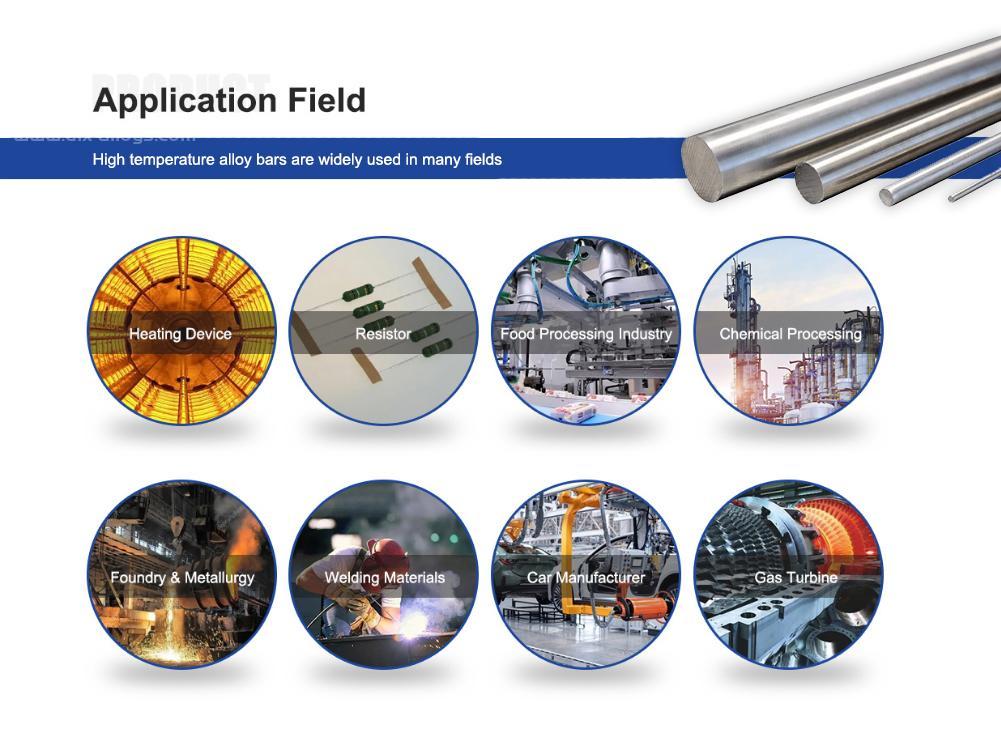
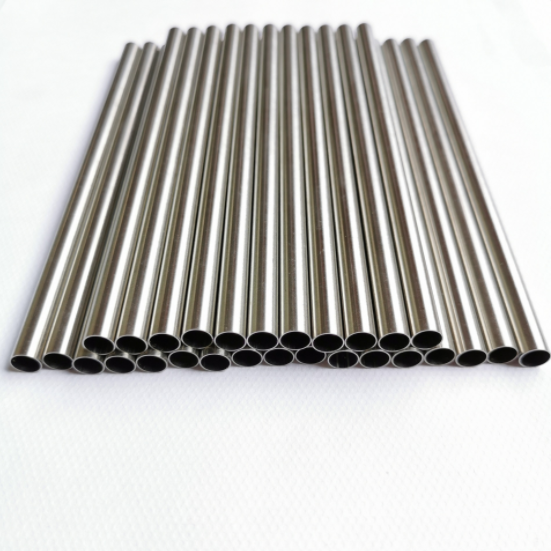
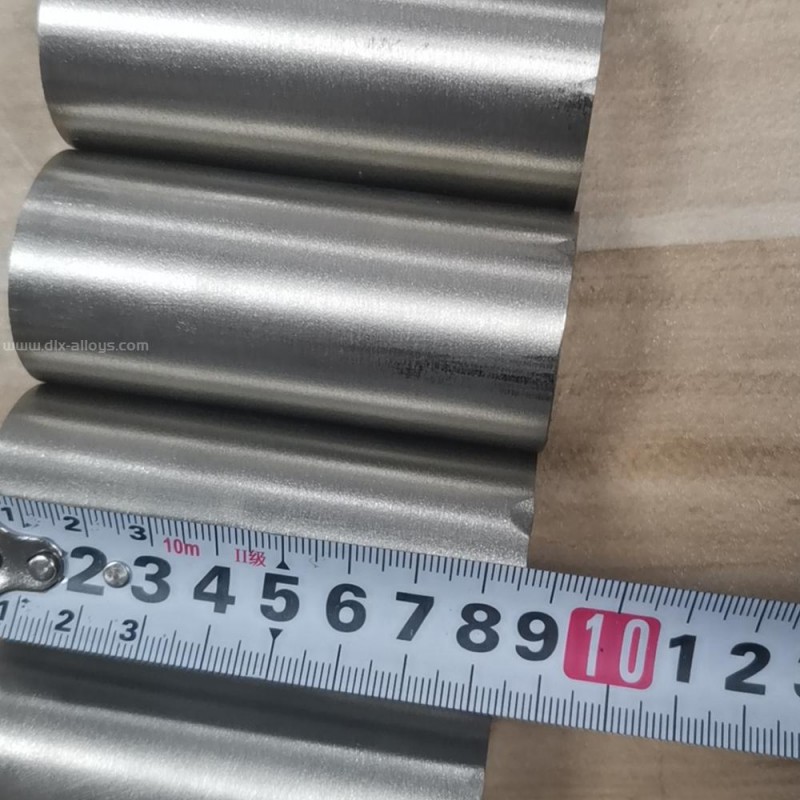
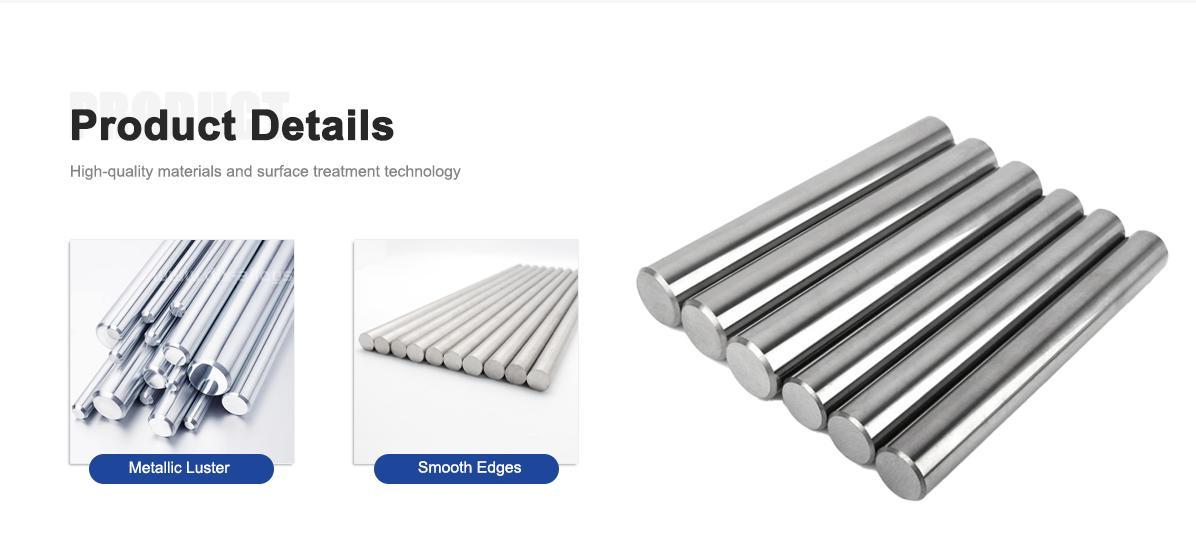
GH3039 high temperature alloy bar is a high-performance nickel-chromium-based alloy, specifically designed to withstand extreme temperatures and mechanical stress. With excellent resistance to oxidation, corrosion, and fatigue, GH3039 alloy rods are crucial in manufacturing components for high-temperature applications, including aero engine combustion chambers. Known for their strength, reliability, and durability, GH3039 rods are widely used in the aerospace industry for the most demanding parts exposed to high heat and pressure.
This superalloy is primarily used in high-performance aviation and industrial turbine engines, providing an efficient solution to components that must operate under temperatures exceeding 600°C. Its superior mechanical properties make it an essential material for combustion chambers, turbine blades, and other critical aerospace engine parts.
Key Properties of GH3039 High Temperature Alloy Rods
-
High-Temperature Strength
GH3039 alloy rods maintain excellent structural integrity and mechanical strength at high temperatures, often exceeding 600°C. This makes them ideal for the hot, pressurized environment inside aero engine combustion chambers. -
Outstanding Corrosion & Oxidation Resistance
The high chromium and nickel content in GH3039 enhances its resistance to oxidation and corrosion, even in the most demanding environments, such as combustion chambers, where exposure to high heat and gases is constant. -
Excellent Fatigue and Fracture Toughness
GH3039 alloy is known for its superior fatigue resistance and fracture toughness, essential for parts that experience repeated stress and thermal cycling, such as engine combustion chambers. -
Thermal Stability
GH3039 provides excellent thermal stability, allowing the material to perform reliably over extended periods under high heat conditions without losing its strength or form. -
Weldability and Machinability
This alloy is highly weldable and machinable, enabling the production of complex components required in aerospace and high-temperature applications, such as turbine parts and combustion chambers.
Manufacturing Process
-
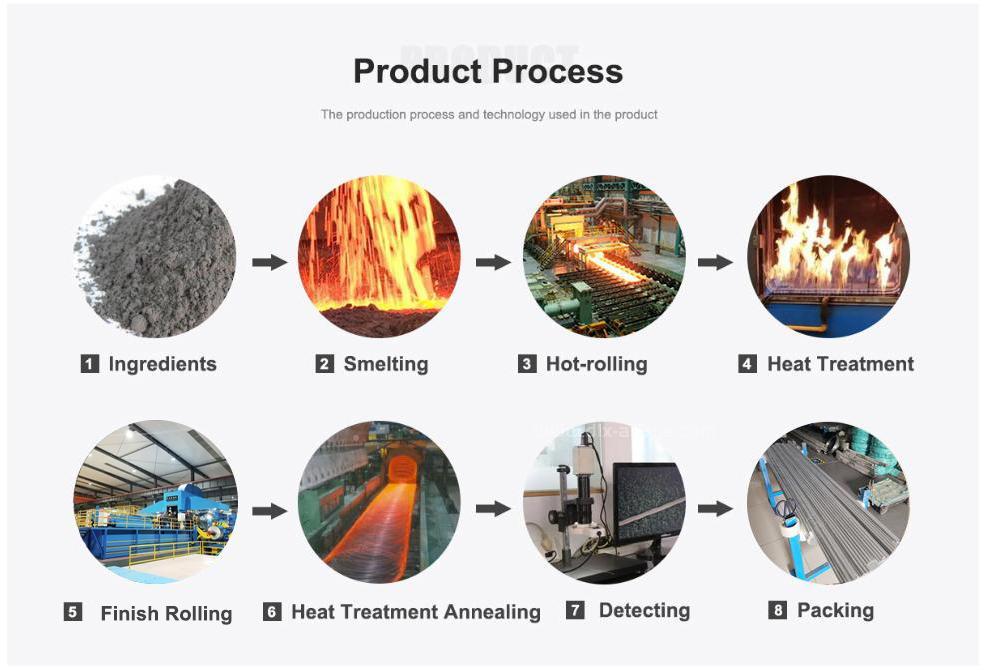
Melting
High-purity raw materials are melted in an electric arc or induction furnace, and the molten metal is refined to achieve the desired chemical composition and remove impurities. -
Casting
After refining, the alloy is cast into ingots, which undergo a homogenization heat treatment to eliminate segregation and enhance uniformity across the material. -
Forging
The ingots are hot-forged at temperatures above 1100°C to shape the material and refine its microstructure. This improves the mechanical properties and enhances the material’s strength. -
Hot Rolling
After forging, the material undergoes hot rolling to achieve the desired thickness and dimensions, and also to enhance its directional properties, improving performance under stress. -
Annealing
The alloy is then annealed at temperatures between 900-950°C to relieve internal stresses, improve ductility, and ensure the material is suitable for final machining. -
Finishing
The rods are cut to required lengths, and surface treatments such as grinding, polishing, or coating are applied to protect the material and ensure it is ready for use in aerospace applications. -
Comparison Parameter Table
| Size Range |
|---|