
Introduction
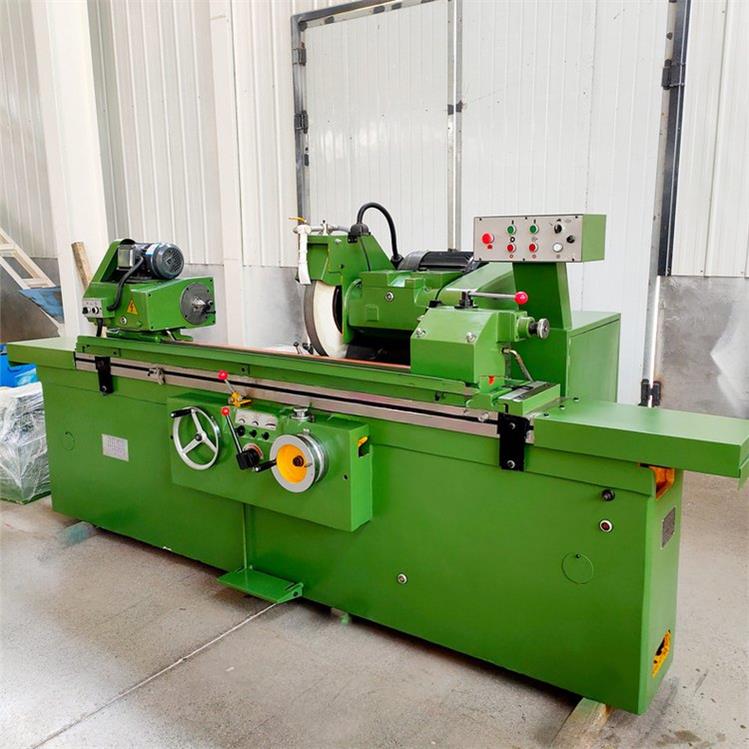
Precision cylindrical grinding machines are the core equipment for high-precision finishing of shaft, pin, and roller-type parts. They deliver micron-level cylindrical accuracy, cylindricity, and surface finish, and are widely used in precision mold making, hydraulic components, and automotive shaft components.
The guideways, spindle, and grinding wheel systems of these machines are built to extremely high precision and are highly sensitive to operating conditions and maintenance status. Dust, inadequate lubrication, and parameter drift can all lead to dimensional deviation, workpiece chatter marks, and cylindricity errors. Implementing a systematic maintenance strategy is essential for stabilizing machining accuracy, extending equipment life, and reducing failure rates.
Daily Cleaning and Basic Inspection
Daily cleaning and basic inspections form the core foundation of maintenance. Cylindrical grinding generates large amounts of metallic micro-powder and grinding wheel debris, which easily adheres to guideways, grinding wheel spindles, and tailstock sliding surfaces, causing abrasive wear.
- After each shutdown, clean the worktable, grinding wheel guard, and guideway dust-protection areas to keep the equipment clean and free from accumulated debris.
- Inspect the grinding wheel condition — confirm there are no cracks or edge damage, tighten the grinding wheel flange, and check that safety guards are intact to eliminate high-speed grinding safety hazards.
- Before startup, perform an idle warm-up cycle and check for abnormal sounds, vibrations, or other irregularities.
Lubrication and Hydraulic System Maintenance
Regular maintenance of lubrication and hydraulic systems is critical. The guideways, ball screws, and tailstock sleeves of precision cylindrical grinding machines rely on a lubricating oil film to ensure motion accuracy.
- Add specialized lubricating oil according to the equipment's standard schedule and check oil line patency to prevent guideway scoring and positioning deviations caused by dry friction or oil film loss.
- Regularly check hydraulic oil tank level and oil quality. Replace aged hydraulic oil promptly and clean oil line filters to prevent impurity blockages.
- Maintain stable hydraulic pressure to avoid feed stuttering and uneven workpiece feed rates.
Spindle and Precision Component Maintenance
The grinding wheel spindle is the precision core of the equipment and requires dedicated maintenance attention:
- Regularly check spindle running accuracy, axial runout, and radial runout. Calibrate and repair promptly if slight wobbling is detected.
- Strictly control the lubrication status of spindle bearings. Prohibit overloading or overspeed grinding to prevent high-temperature bearing wear and spindle precision degradation.
- Periodically recalibrate tailstock center coaxiality and worktable levelness to compensate for small mechanical clearances accumulated during long-term operation, ensuring workpiece cylindricity and concentricity meet standards.
Electrical System and Precision Calibration
Routine electrical system maintenance and precision calibration must be implemented on an ongoing basis:
- Weekly: Clean dust from the electrical control cabinet. Inspect wiring terminals and limit switches to prevent signal anomalies that could cause feed malfunctions.
- Monthly: Conduct precision verification — calibrate worktable parallelism, grinding wheel feed accuracy, and workpiece rotation coaxiality.
- For chatter marks or dimensional instability during machining, promptly investigate grinding wheel dynamic balance, guideway clearance, and center wear. Adopt an early detection, early repair approach to prevent minor faults from escalating into major precision overhaul issues.
Conclusion
Maintenance of precision cylindrical grinding machines must follow a four-pillar operational logic: cleaning, lubrication, calibration, and inspection. Standardized daily maintenance combined with periodic precision checks can effectively maintain the machine's high-precision state, reduce scrap rates and repair costs, and ensure long-term stable, efficient, and accurate operation.