Top 10 Drying Machine Factory in China
Drying machines are vital equipment in industrial manufacturing. They remove moisture or solvents from materials. China is a global manufacturing hub. It has many high-quality drying machine manufacturers. These factories serve diverse industries from food processing to pharmaceuticals. They provide custom solutions for various industrial needs. Drying machines are key for product quality, shelf life, and efficient production.
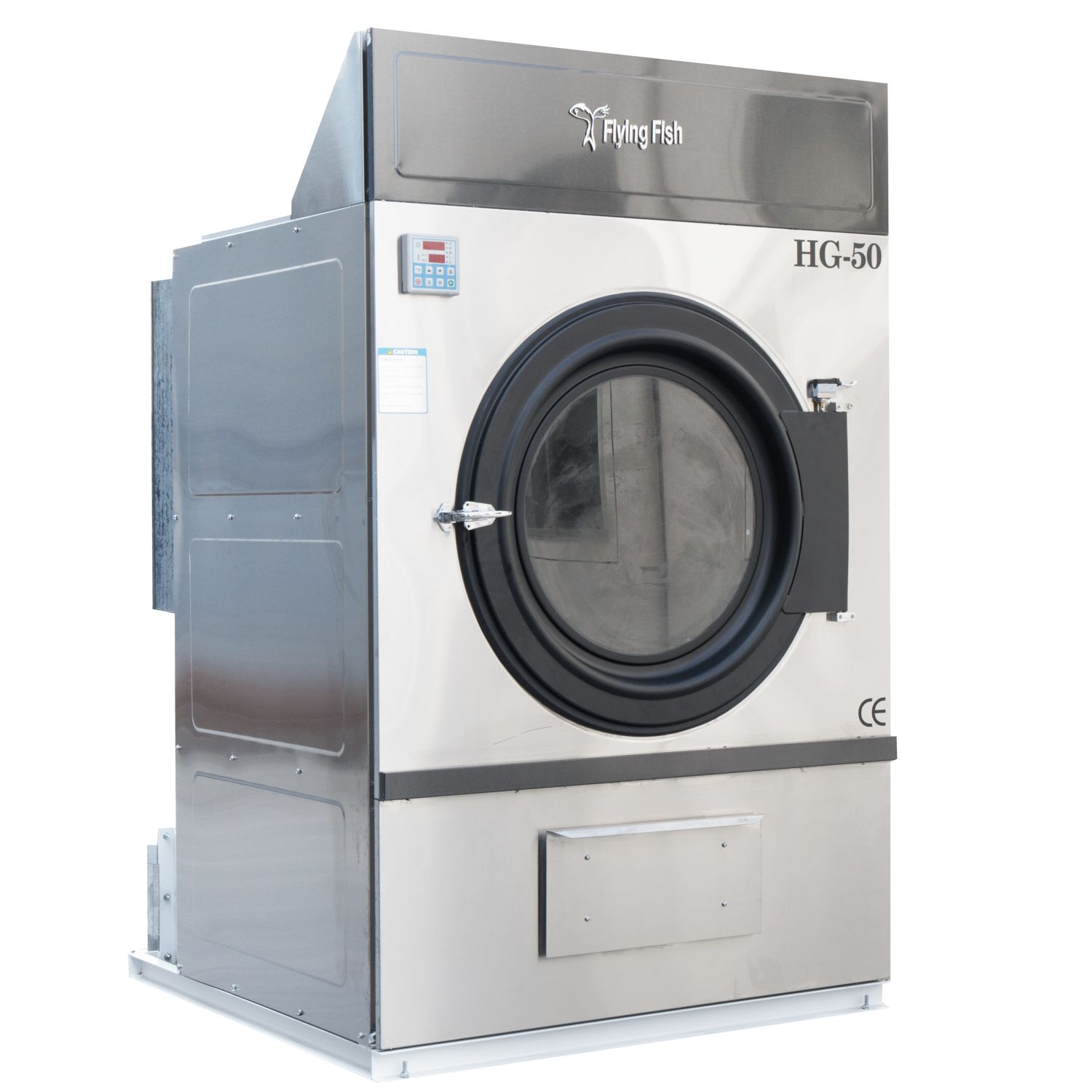
Industry Overview and Chinese Drying Machine Manufacturing
The drying machine industry in China shows rapid growth and technological progress. Demand from food processing, chemical, and pharmaceutical sectors drives this growth. Government policies supporting manufacturing and automation benefit the industry. Major manufacturing centers are in Jiangsu, Zhejiang, and Guangdong provinces. These regions have strong supply chains and logistics networks. Chinese manufacturers are known for cost-effective and reliable machines. They compete with international brands. Industry trends include using energy-saving tech, IoT integration, and smart control systems. Common dryer types are fluidized bed, spray, drum, and vacuum dryers. Each type suits specific applications.
Selection Criteria and Ranking Methodology
This ranking uses several key criteria. Annual production capacity shows a factory's ability to handle large orders. R&D investment indicates a commitment to innovation. Certifications like ISO 9001 and CE ensure quality standards. A diverse client portfolio and export markets prove global acceptance. After-sales service and technical support are crucial for customer satisfaction. Customization options assess the ability to meet specific needs. Material quality and construction standards affect durability. Environmental factors like energy efficiency are increasingly important.
Detailed Analysis of Top Drying Machine Manufacturers
Changzhou Xianfeng Drying Equipment Co., Ltd. is known for innovative fluidized bed dryers. It offers a comprehensive product range.
Wuxi Linjie Drying Equipment Co., Ltd. specializes in spray drying systems for pharmaceutical and chemical industries.
Jiangsu Jianda Drying Engineering Co., Ltd. provides custom solutions with a strong R&D team.
Chongqing Weigan Measurer Manufacturing Co., Ltd. produces sensors for measuring and controlling the drying process.
Zhejiang Fuyang Blue Sky Environmental Protection Equipment Co., Ltd. focuses on eco-friendly drying solutions and emission reduction tech.
Shandong Tianli Energy Co., Ltd. delivers drying systems for large-scale industrial applications.
Guangzhou Ruipai Machinery Co., Ltd. is recognized for efficient drum dryers and an international client base.
Nanjing Industrial Drying Equipment Factory has a long history and focuses on reliable, durable designs.
Shanghai Daivo Mechanical Technology Co., Ltd. integrates IoT technology for smart drying solutions.
Hebei Hanpu Machinery Co., Ltd. stands out for cost-effective and robust agricultural dryers.
Technological Innovation and Industry Applications
Chinese manufacturers adopt heat pump technology for better energy efficiency. IoT integration allows for real-time monitoring and predictive maintenance. Advanced control systems use AI to optimize drying based on material traits. Designs are specific to food, pharma, chemical, and ceramic industries. The food industry uses dryers for fruit, vegetable, and meat preservation. Pharma applications require high precision and GMP compliance. Chemical dryers handle corrosive materials and need explosion-proof designs. Ceramic and mineral drying involves high temperatures and large capacity.
Quality Assurance and Certification Standards
Top manufacturers follow ISO 9001 for consistent product quality. CE certification meets European health, safety, and environmental demands. ASME certification is for dryers with pressure vessels. Material certificates guarantee structural integrity with stainless steel or special alloys. Performance tests verify capacity and efficiency before shipment. Environmental compliance includes meeting emission and noise rules. Tracking systems record production history and component sources. Regular audits maintain quality protocols.
Customer Support and After-Sales Service
Complete after-sales service includes installation supervision and operator training. Availability of spare parts minimizes downtime. Remote diagnostics let support teams fix issues online. Maintenance contracts offer scheduled checks and part replacements. On-site engineers handle complex repairs. Training programs teach best practices and safety. Feedback mechanisms gather customer input for product improvement. Warranty policies cover defects and performance guarantees.
Future Trends and Market Outlook
The industry moves toward energy-efficient designs with heat recovery systems. Automation and Industry 4.0 integration enable predictive maintenance. Sustainable practices include using renewable energy. Customization grows as manufacturers tailor solutions for specific materials. Emerging markets like lithium battery materials create new opportunities. International cooperation boosts the global competitiveness of Chinese makers. Digital twin technology allows virtual testing of drying processes.