Top 10 Pumps Manufacturers and Companies
Pumps are essential equipment for moving water, chemicals, oil, and other liquids in industrial, commercial, and residential applications. The global pump market is projected to grow from $69 billion in 2023 to $92 billion by 2030, with a 4.2% annual growth rate. This article identifies key industry players based on innovation, market share, product range, and global reach.
Pump Types and Applications
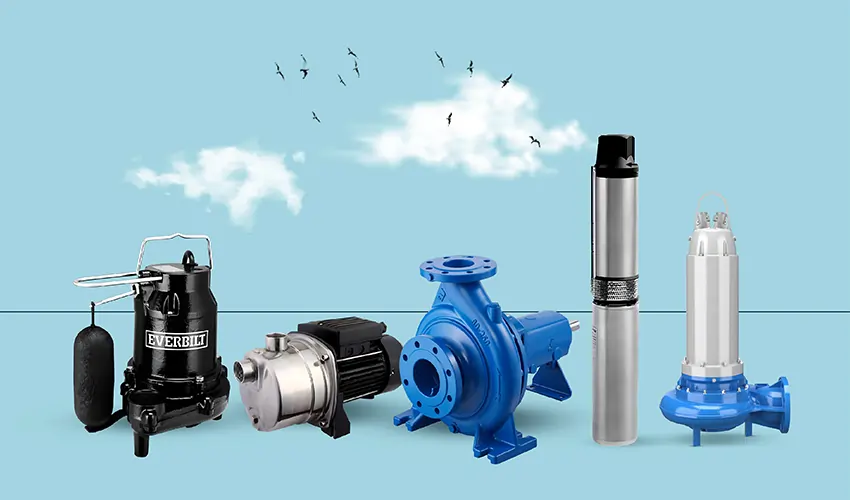
Centrifugal pumps use a rotating impeller to move fluid and hold 45% of the global market share. Positive displacement pumps move fluid by trapping a fixed volume. Specialized pumps include submersible and metering pumps. Key applications are chemical processing, which requires pumps made with corrosion-resistant alloys; water treatment, which uses large water pumping systems; and oil and gas, which relies on pumps meeting API 610 standards. Building services use circulator and booster systems. Energy efficiency standards like ISO 50001 influence pump design choices.
Analysis of Industry Leaders
Grundfos leads with its iSOLUTIONS platform. This system uses IoT sensors for predictive maintenance and can save up to 60% in energy consumption. Xylem's Flygt Concertor series is the first adaptive drainage pump with N-technology. Flowserve designs main coolant pumps for nuclear power plants that meet ASME N-level certification. KSB offers the MegaCPK standardized pump series for cost-effective operation. Sulzer provides reliable API 610 BB5 multistage pumps for extreme operating conditions.
Technology Innovation Trends
Digital twin technology is now common in pump design. Engineers use ANSYS CFX software to simulate fluid dynamics and reduce prototype testing. Additive manufacturing produces complex impeller geometries, like 3D-printed stainless steel impellers. Smart monitoring systems use vibration analysis sensors connected to cloud platforms for fault prediction. Advances in magnetic drive pumps allow for zero leakage when handling hazardous chemicals. New materials like carbon-fiber reinforced polymers reduce weight.
Sustainability and Energy Efficiency
The EU Ecodesign Directive (EU 547/2012) sets minimum energy efficiency requirements for pumps. The Hydraulic Institute's Pump System Assessment Protocol identifies opportunities to save energy, with average savings of 20-30%. A case study shows that upgrading a municipal water system with variable frequency drives reduced energy use by 40%. Manufacturers adopt Life Cycle Assessment (LCA) methods to optimize production and reduce carbon footprint. Solar-powered pumps are growing in agricultural use, especially in developing countries.
Global Market Strategies
The Asia-Pacific region drives 42% of global demand, fueled by infrastructure investment. The industry saw 17 major acquisitions in 2022, including Franklin Electric's purchase of PumpWorks to expand its industrial line. Localized production is a key trend; major manufacturers establish production hubs on multiple continents to reduce supply chain risk. Service-based business models are growing, with long-term maintenance contracts now accounting for 35-50% of revenue for top firms.
Selection Criteria and Future Outlook
Selecting a pump requires analyzing eight key factors. These are system curve analysis, NPSH availability, fluid properties, material compatibility, the Minimum Efficiency Index (MEI), life cycle cost, maintenance access, and compliance requirements. Future trends by 2030 include AI-optimized pump systems, digital marketplaces, modular pumps designed for a circular economy, and pumps built for the hydrogen economy. The industry is shifting toward service models like Pump-as-a-Service and total fluid management solutions.