Top 10 Medical Equipment Factories in China
China is a major global center for medical equipment manufacturing. It is known for advanced technology, cost-effectiveness, and growing innovation. These factories produce vital tools for global healthcare.
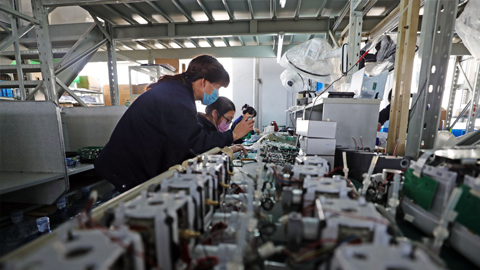
What is Medical Equipment and Its Global Role
Medical equipment includes instruments and machines for diagnosing, preventing, monitoring, or treating disease. This ranges from simple thermometers to complex MRI systems. The global market is worth over $400 billion. China holds a significant share due to its large-scale production and cost advantages. Key standards like FDA certification, CE marking, and ISO 13485 ensure safety and quality. Chinese factories meet these standards to build global trust. During the COVID-19 pandemic, China's production of ventilators and protective gear highlighted its critical response capacity.
How We Selected the Top Factories
We used specific data points to choose the top factories. Key metrics include annual revenue, research and development (R&D) spending, international certifications, product range, and customer feedback. We analyzed market reports from 2022-2023. Factories with over $1 billion in annual sales and 5-10% R&D investment were prioritized. The number of FDA or CE certifications and global distribution networks were also considered. This ensures an objective list based on performance, not brand names.
Detailed Look at the Top 10 Factories
Here are ten leading medical equipment factories in China:
1. Mindray Bio-Medical Electronicsbased in Shenzhen, Mindray has an annual revenue of about $3 billion. It specializes in patient monitors and ultrasound systems. It holds FDA certification and has a strong global sales network.
2. Shanghai United Imaging HealthcareThis factory focuses on MRI and CT scanners. It invests 8% of its revenue in R&D and exports to over 50 countries.
3. Shenzhen Anke High-techAnke produces medical imaging systems with annual sales of $1.5 billion. It is known for innovation and ISO 13485 certification.
4. Beijing Wandong Medical TechnologyA established factory, Wandong specializes in X-ray equipment. Its clients include hospitals across Asia.
5. Guangzhou Medsinglong Medical EquipmentMedsinglong focuses on diagnostic devices like blood analyzers. It has an annual revenue of $800 million and CE certification.
6. Shandong Weigao GroupWeigao offers a diverse product line, including syringes and surgical tools. Annual sales reach $2 billion, with R&D focused on material science.
7. Jiangsu Yuyue Medical Equipment & SupplyYuyue produces home medical devices like blood pressure monitors. It holds a 10% share of the global market for these products.
8. Neusoft Medical SystemsNeusoft provides digital health solutions, including AI-powered diagnostic tools. Annual revenue is $1.2 billion.
9. China National Pharmaceutical Group (Sinopharm)This state-owned giant covers vaccine and equipment production. It has a large-scale distribution network.
10. Emerging Specialized FactoriesOther factories focus on areas like ventilator production. They were selected for their balance of size and innovation.
Focus on Technology and Research
Chinese factories invest heavily in innovation. R&D spending averages 6-8% of revenue. Key areas include AI integration, IoT for remote monitoring, and material science. For example, United Imaging uses AI in CT scans to reduce radiation exposure by 20%. Factories partner with universities like Tsinghua for research. Trends include wearable devices and 3D-printed implants. China's "Made in China 2025" initiative supports this growth through subsidies and policies.
Quality Control and Global Standards
Factories follow strict quality management systems based on ISO 13485. This controls everything from raw materials to final production. Mindray, for instance, has internal labs to test every product batch. For international compliance, factories undergo processes like FDA's 510(k) clearance, which can take 2-3 years. They also adapt to regulations like the EU's Medical Device Regulation (MDR). Anke High-tech successfully entered the European market by meeting these standards. Tracking systems manage product recalls if needed.
Market Impact and Global Reach
Chinese factories account for about 20% of the global medical equipment market. They export widely to Asia, Europe, and Africa. During the pandemic, they supplied 40% of the world's ventilators. Growth is driven by aging populations and expansion in emerging markets like Africa. Challenges include trade barriers and geopolitics. To manage risks, factories localize production in regions like Southeast Asia. In 2023, China's medical equipment exports grew 15% to $30 billion. Participation in international events like MEDICA in Germany boosts their global presence.
Future Trends and Industry Direction
The next five years will focus on digital transformation. This includes telehealth integration and personalized medical devices. AI and machine learning will make equipment smarter and reduce errors. Opportunities arise from initiatives like China's Belt and Road, which expands exports to developing countries. Challenges include supply chain issues and competition from countries like India. Investors should watch factories investing in green technology. The industry is moving toward sustainability, such as reducing the carbon footprint of devices.