Top 10 Welding and Assembly Companies
Introduction to Welding and Assembly
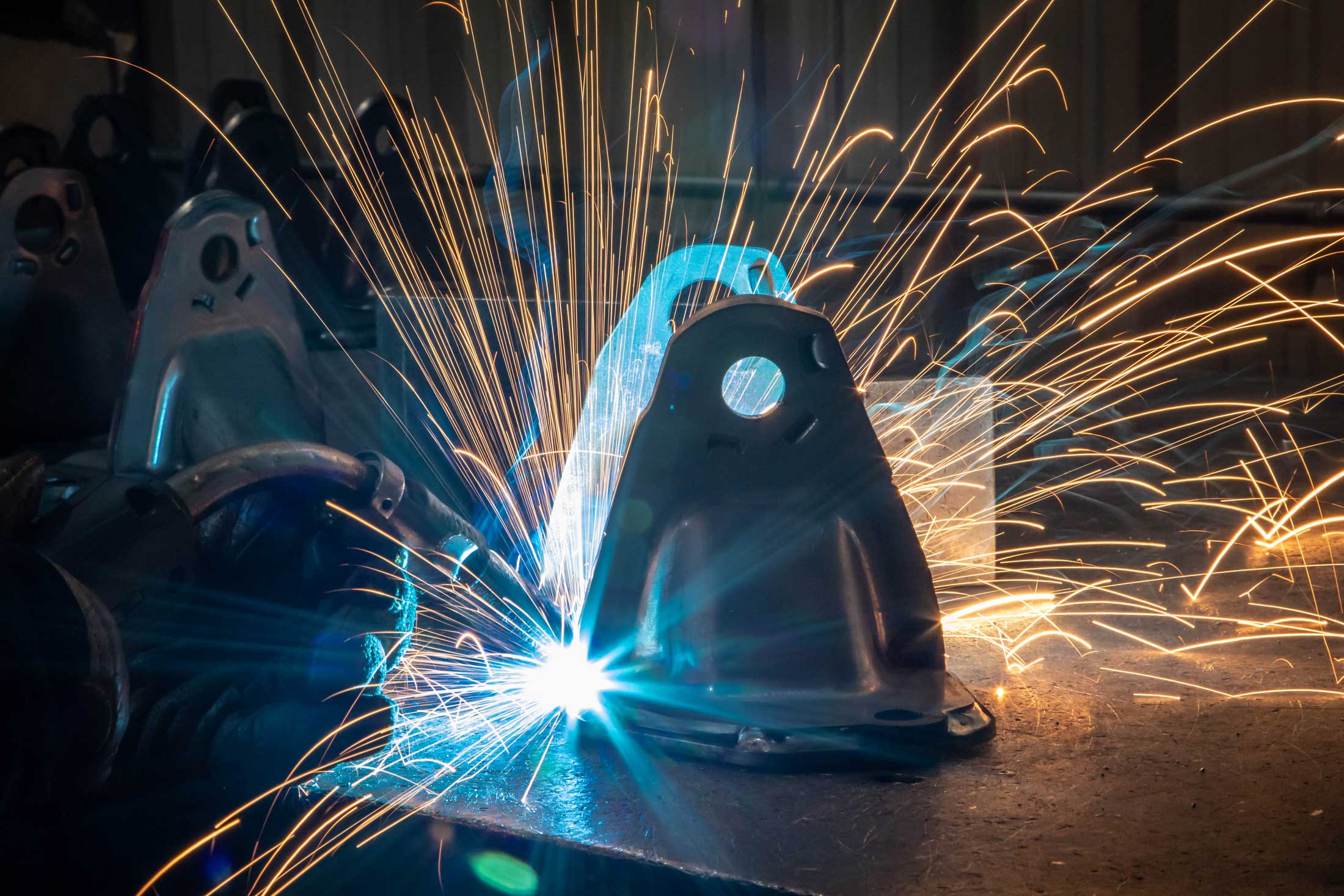
Welding and assembly are core technologies in modern manufacturing. They involve joining materials, like metals or thermoplastics, using heat or pressure. Assembly is the process of combining parts into a complete product. These processes are vital for many industries. This includes automotive, aerospace, construction, and consumer electronics. The global welding market grows at a rate of 4.5% each year. It is expected to reach $31 billion by 2030. Assembly services are also expanding fast with more automation and robots. This article explores the top companies in this field. It focuses on their innovative technologies and industry expertise.
Industry Standards and Certifications
Top welding and assembly companies follow strict quality and safety rules. ISO 3834 certification ensures welding meets international quality standards. The American Welding Society (AWS) certification checks a welder's skill level. For aerospace work, the AS9100D standard is critical. It requires strict document control and traceability. NADCAP certification is for special processes like welding. It guarantees the highest quality control. Companies also use non-destructive testing (NDT). Methods include ultrasound, X-ray, and magnetic particle inspection. These tests check weld integrity without causing damage. ISO 14001 certification handles environmental management. It ensures companies use sustainable practices. These certifications build customer trust and allow access to global markets.
Technological Innovation and Automation
Leading companies invest in advanced technology for better precision and efficiency. Robotic welding systems are common. Brands like FANUC and KUKA provide consistent quality and reduce human error. Laser welding allows for high-speed, high-precision work. It is ideal for sensitive applications, such as medical devices. Additive manufacturing, or 3D printing, is now used for prototypes and complex parts. IoT sensors monitor welding parameters in real-time. They predict when maintenance is needed and save energy. AI-powered quality control systems automatically find defects. This cuts down inspection time. Virtual Reality (VR) training simulators help develop skills. Digital twin technology tests assembly processes before they are built. These innovations boost productivity and support both custom and mass production.
Material Expertise and Processing
Top companies work with a wide range of materials. Each material needs a specific technique. Steel welding is common in construction and automotive industries. Methods include MIG (metal Inert Gas) or TIG (Tungsten Inert Gas) welding. Aluminum alloy welding is used in aerospace for its light weight. It often requires pulsed arc welding to prevent distortion. Titanium welding is for medical implants. It must happen in a controlled setting to avoid contamination. Composite material assembly uses bonding and mechanical fasteners instead of welding. Some companies specialize in joining different materials, like steel to aluminum. They use techniques such as friction stir welding. Surface treatments like painting, galvanizing, or anodizing improve durability and look. Companies also test materials with tensile tests and metallographic analysis. This ensures the final product meets all specifications.
Industry Applications and Case Studies
Welding and assembly companies serve many key industries. In automotive, they handle body-in-white assembly and chassis welding. Tesla, for example, uses robotic welding for high output. Aerospace applications include aircraft fuselage assembly and engine part welding. These require strict safety standards. Shipbuilding depends on welding large parts. Submerged arc welding is often used for thick plates. The energy sector needs pipeline welding for oil and gas. It also includes renewable energy projects like wind turbine assembly. Consumer electronics companies use precision welding for circuit boards and device casings. Successful case studies include large infrastructure projects. For instance, building a major bridge. Others are custom solutions, like prototyping a new medical device. These examples show the diverse capabilities of leading firms.
Sustainable Practices and Environmental Considerations
Top companies prioritize sustainability to reduce their environmental impact. They use energy-efficient welding machines. Inverter technology, for example, can cut electricity use by up to 30%. Low-fume electrodes and ventilation systems minimize air pollution and protect workers. Recycling programs handle metal waste like slag and clippings. This waste is often repurposed for other uses. Water-based cooling systems reduce chemical use. Some facilities even use solar power. Companies also adopt lightweight designs. They optimize weld patterns to use less material without losing strength. Life Cycle Assessment (LCA) evaluates a product's environmental impact from production to disposal. This supports circular economy initiatives. These practices meet regulations and attract environmentally conscious customers.
Future Trends and Challenges
The industry faces new trends and challenges. Automation and collaborative robots (cobots) are becoming more common. Cobots work alongside humans to improve safety. Modular construction is on the rise. Parts are welded and assembled in a factory, then shipped to the site for quick installation. This reduces construction time. A big challenge is the skills shortage. There are not enough experienced welders. This pushes companies to invest in VR training and apprenticeship programs. Supply chain disruptions, like those seen during the pandemic, force companies to localize production and diversify suppliers. New materials, such as carbon fiber composites, require new joining techniques. Cybersecurity is a growing concern as operations become more digital. Companies must protect sensitive design data. They also need to adapt to fast prototyping and mass customization. This means balancing flexibility with the benefits of traditional manufacturing.
Criteria for Choosing a Welding and Assembly Partner
Choosing the right supplier involves several factors. Technical capability is crucial. The partner must handle complex projects and have the latest equipment. Quality certifications like ISO 9001 and industry-specific standards ensure reliability. Assess capacity and scalability to handle demand changes. Geographic location affects logistics and cost. Cost-effectiveness is key, but consider long-term value like less rework. Good communication and collaboration skills make project management smoother. An innovation culture shows the supplier can adapt to future challenges. Sustainability credentials align with corporate social responsibility goals. Always review case studies and client references. They provide insight into past performance and help in making a smart decision.