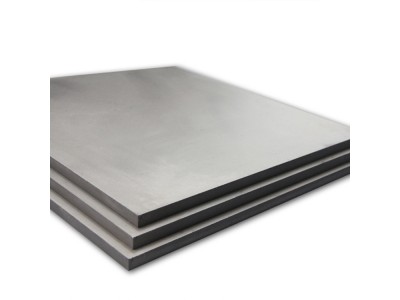
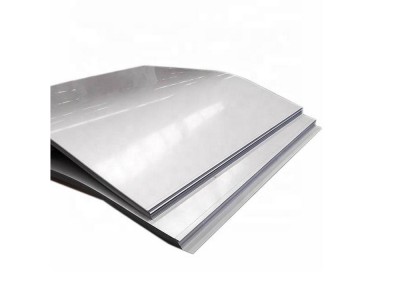
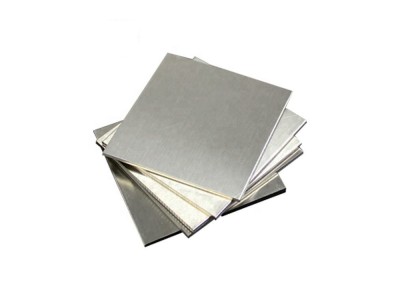
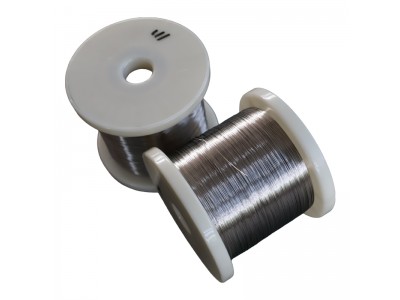
4J33 alloy is a high-performance iron-nickel-cobalt alloy known for its controlled thermal expansion, excellent sealing properties, and superior mechanical stability at elevated temperatures. Designed to match the thermal expansion coefficient of glass and ceramics, 4J33 alloy sheets are widely used in high-temperature sealing applications and precision industrial components where thermal stability is critical.
Industries such as aerospace, electronics, and energy rely on 4J33 alloy sheets for applications requiring durable and airtight seals, corrosion resistance, and reliable performance in extreme environments.
Applications of 4J33 Alloy Sheets
1. High-Temperature Glass-to-metal Sealing
One of the key applications of 4J33 alloy sheets is in glass-to-metal sealing, which is essential in:
- Vacuum Tubes and Electron Devices: 4J33 ensures airtight bonds with glass and ceramic materials, preventing gas leakage in high-vacuum environments.
- Semiconductor Packaging: Used in high-performance electronic enclosures, ensuring moisture and gas resistance to protect sensitive components.
- Lighting Industry: Employed in high-intensity discharge lamps and specialty lighting systems, where high-temperature resistance is essential.
2. Aerospace and Defense Applications
The aerospace and military sectors demand materials with high reliability and thermal stability. 4J33 alloy sheets are commonly used in:
- Aircraft and Satellite Components: Used in structural enclosures and sensor housings, where dimensional stability is required under extreme conditions.
- Avionics Shielding: Ensuring electromagnetic interference (EMI) protection for critical electronic systems.
- Defense Electronics: Used in high-security communication devices that require hermetic sealing and mechanical strength.
3. Industrial Sealing and Thermal Management
4J33 alloy sheets are widely used in high-temperature sealing applications where thermal cycling and mechanical stress are common, such as:
- High-Temperature Furnaces: Components in thermal processing equipment, where oxidation resistance and dimensional stability are crucial.
- Energy Industry: Used in fuel cell enclosures and nuclear energy components, ensuring reliable sealing under extreme temperatures.
- Chemical Processing Equipment: Provides corrosion-resistant and heat-tolerant seals for harsh industrial environments.
Key User Requirements and Benefits
1. Controlled Thermal Expansion for Reliable Sealing
- Matches the expansion coefficient of glass and ceramics, reducing the risk of cracks or stress fractures.
- Ensures long-term hermetic sealing in electronics, aerospace, and vacuum applications.
2. High-Temperature Resistance and Mechanical Stability
- Retains structural integrity at elevated temperatures, making it ideal for industrial furnaces and high-heat environments.
- Provides mechanical strength and resistance to deformation under thermal cycling conditions.
3. Corrosion and Oxidation Resistance
- Protects against chemical exposure, oxidation, and atmospheric degradation, increasing lifespan and durability.
- Ideal for harsh environments, such as chemical processing plants and high-altitude aerospace applications.
4. Excellent Machinability and Processing Capabilities
- Can be easily fabricated into custom shapes and sizes for various industrial requirements.
- Compatible with welding, brazing, and other joining techniques, providing manufacturing flexibility.