ntsize="32" data-lineheight="41.92px" class="fusion-responsive-typography-calculated" style="box-sizing: border-box; font-family: Arial, Helvetica, sans-serif; font-weight: 400; line-height: 1.31; letter-spacing: 1px; font-size: 32px; color: rgb(51, 51, 51); margin-top: 0px; margin-bottom: 16px; --fontSize: 32;">What Is Geotextile Fabric
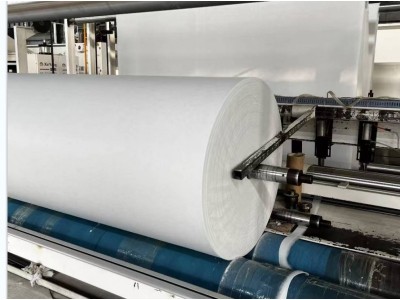
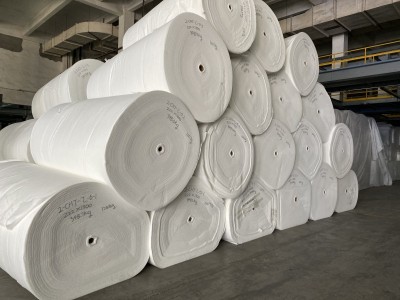
Geotextile fabric is a permeable synthetic material used in geotechnical engineering to perform functions such as:
- Separation
- Filtration
- Drainage
- Reinforcement
- Protection
Most geotextiles are manufactured from polypropylene or polyester fibers, offering excellent durability, chemical resistance, and long service life in harsh environments.Because of these characteristics, geotextiles are widely used in road construction, drainage systems, erosion control, and landfill engineering. www.planetliner.com
ntsize="32" data-lineheight="41.92px" class="fusion-responsive-typography-calculated" style="box-sizing: border-box; font-family: Arial, Helvetica, sans-serif; font-weight: 400; line-height: 1.31; letter-spacing: 1px; font-size: 32px; color: rgb(51, 51, 51); margin-top: 0px; margin-bottom: 16px; --fontSize: 32;">Types of Geotextile Fabric
According to the construction of geotextile, there are Nonwoven geotextile and Woven geotextile. On the material sides, there are Polyester/ pet geotextile and Polypropylene/pp geotextile.
ntsize="20" data-lineheight="29px" class="fusion-responsive-typography-calculated" style="box-sizing: border-box; font-family: Arial, Helvetica, sans-serif; font-weight: 400; line-height: 1.45; letter-spacing: 1px; font-size: 20px; color: rgb(51, 51, 51); margin-top: 20px; margin-bottom: 20px; --fontSize: 20;">1.Nonwoven Geotextile Fabric
Nonwoven geotextile is produced using needle-punched fibers, creating a highly permeable and flexible material,there are short fiber staple geotextile and long fiber filament geotextile.
Key Advantages:
- Excellent filtration performance
- High elongation and adaptability
- Good puncture resistance
Typical Applications:
- Drainage systems
- Landfill liner protection
- Road subgrade stabilization
- Erosion control
ntsize="20" data-lineheight="29px" class="fusion-responsive-typography-calculated" style="box-sizing: border-box; font-family: Arial, Helvetica, sans-serif; font-weight: 400; line-height: 1.45; letter-spacing: 1px; font-size: 20px; color: rgb(51, 51, 51); margin-top: 20px; margin-bottom: 20px; --fontSize: 20;">2.Woven Geotextile Fabric
Woven geotextile is manufactured by weaving polypropylene tapes or yarns, providing high tensile strength and low elongation.
Key Advantages:
- High load bearing capacity
- Excellent soil reinforcement
- Long service life
Typical Applications:
- Road construction
- Ground stabilization
- Embankment reinforcement
- Heavy load areas
ntsize="32" data-lineheight="41.92px" class="fusion-responsive-typography-calculated" style="box-sizing: border-box; font-family: Arial, Helvetica, sans-serif; font-weight: 400; line-height: 1.31; letter-spacing: 1px; font-size: 32px; color: rgb(51, 51, 51); margin-top: 0px; margin-bottom: 16px; --fontSize: 32;">Major Applications of Geotextile
Geotextile fabrics are used for multiple industries and engineering projects.
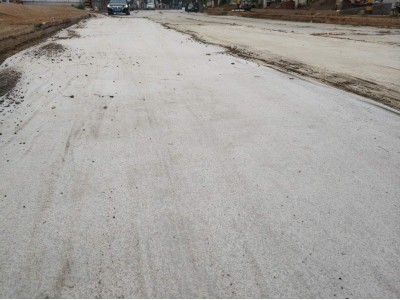
- Road Construction and Subgrade Stabilization:Geotextiles are commonly installed between soil layers to prevent mixing and improve structural stability.
- Drainage and Filtration Systems:Nonwoven geotextiles allow water to pass while preventing soil migration, improving drainage performance.
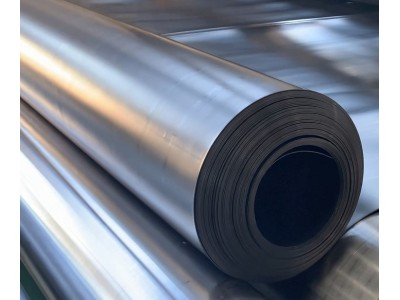
- Landfill and Environmental Protection:Geotextiles protect geomembrane liners from puncture and mechanical damage.
- Erosion Control and Slope Protection:Used in riverbanks, embankments, and coastal engineering to prevent soil erosion.
- Agriculture and Landscaping:Geotextiles are used in irrigation systems, greenhouse construction, and ground stabilization.