


 10 Views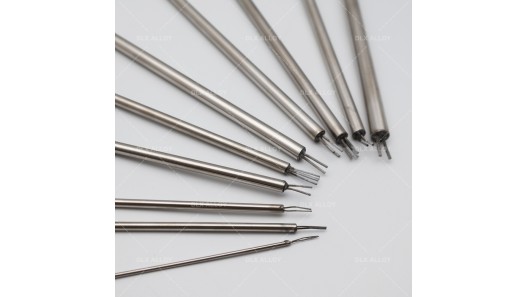
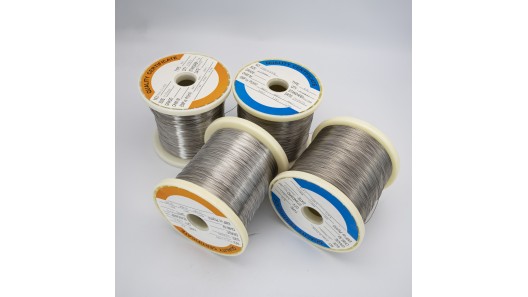
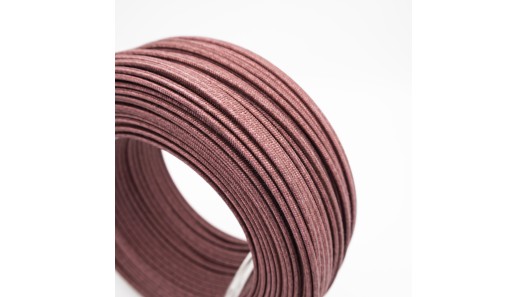
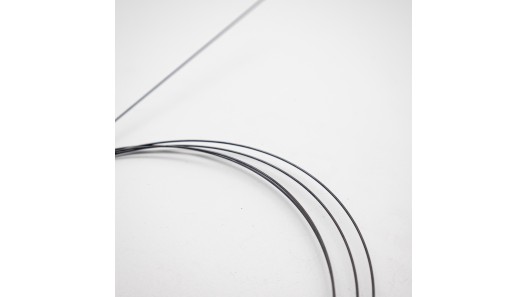
This article provides an overview of the materials, applications, and user needs related to R-Type and S-Type platinum-rhodium thermocouple bare wires used in precision research.
Material Composition and Characteristics
R-Type and S-Type thermocouples are constructed from two high-performance materials:
- R-Type: Platinum (Pt) for the positive leg and Platinum-Rhodium (Pt-13%Rh) for the negative leg.
- S-Type: Platinum (Pt) for the positive leg and Platinum-Rhodium (Pt-10%Rh) for the negative leg.
Key Features
High Temperature Range: R-Type and S-Type thermocouples operate efficiently in extreme temperature ranges, with R-Type thermocouples being capable of measuring temperatures up to 1,768°C (3,214°F) and S-Type thermocouples up to 1,768°C (3,214°F) as well. This makes them ideal for high-temperature applications where other thermocouple types would not perform accurately.
Excellent Accuracy: These thermocouples offer Class 1 accuracy, which can reach ±1.5°C or 0.25% of the reading. This precision is essential for scientific research and calibration applications where even minor temperature deviations could result in significant data errors.
Long-Term Stability: The combination of platinum and rhodium ensures minimal drift in the EMF (electromotive force) output over time, providing stable and reliable measurements even in extreme conditions.
Resistance to Oxidation: Both R-Type and S-Type thermocouples feature superior oxidation resistance, which allows them to maintain their accuracy and functionality in high-oxygen environments, particularly at high temperatures.
Low Drift at High Temperatures: These thermocouples are specially designed to operate in environments with minimal drift in their readings, ensuring that the precision of their measurements is maintained for long periods.
Applications of R-Type and S-Type Thermocouple Bare Wire
Due to their high-temperature resistance and exceptional accuracy, R-Type and S-Type thermocouples are used in a variety of applications that demand precise temperature control and monitoring.
1. Precision Research and Scientific Applications
- Calibration Laboratories: R-Type and S-Type thermocouples are frequently used in calibration labs to ensure that temperature measurement instruments remain accurate. Their stable EMF outputs make them ideal for thermometer calibration and temperature standardization.
- High-Temperature Testing: These thermocouples are used in materials research to study the properties of materials under extreme temperature conditions, helping scientists and engineers to test the behavior of materials in high-temperature environments.
- Cryogenics: Although their primary use is for high-temperature measurement, S-Type thermocouples are also used in cryogenic research to measure temperatures accurately across a wide range.
2. Industrial Applications
- metallurgical and Steel Industries: Used in furnaces, kilns, and casting processes, R-Type and S-Type thermocouples are essential for monitoring the temperature of molten metals, where precise temperature control is vital to maintaining the properties of the final product.
- Aerospace and Aviation: R-Type and S-Type thermocouples are used in jet engines and turbine testing, where they measure the extreme temperatures found in engine combustion chambers. Accurate temperature measurements are crucial for ensuring the performance and safety of aircraft.
- Nuclear Industry: They are used in nuclear reactors to monitor and control the temperature in reactors, where maintaining precise thermal control is crucial for safety and efficiency.
3. Advanced Laboratory Settings
- Metrology Labs: R-Type and S-Type thermocouples are used in high-precision temperature measurement, where they offer exceptional stability and accuracy for the most demanding measurements.
- Research in Energy Systems: These thermocouples are also used in energy research to monitor temperatures in power plants, geothermal energy systems, and other thermal energy applications where high temperatures are common.

