

 10 Views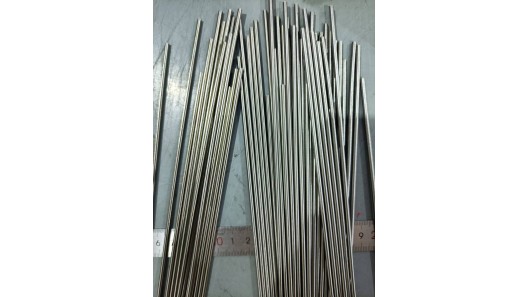
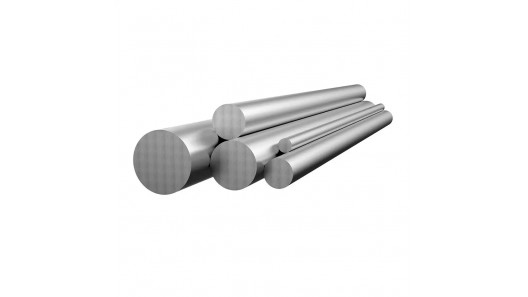
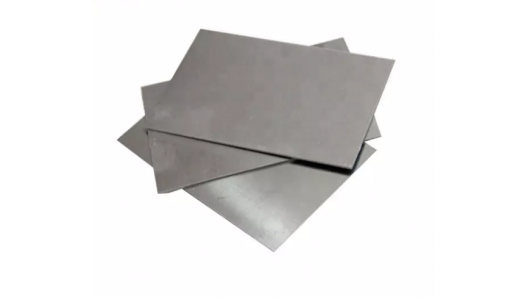
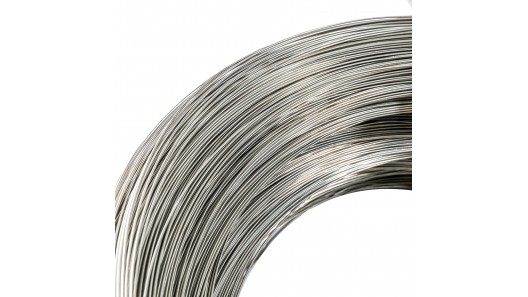
The CuNi1 alloy is often chosen for its ability to maintain both mechanical and physical integrity even when exposed to harsh marine environments. It also provides good weldability and is commonly used for products that require long-lasting durability in seawater. Its resistance to biofouling, which occurs in underwater structures, further increases its appeal in marine-related industries.
Key Properties of CuNi1 Alloy
- Corrosion Resistance: CuNi1 alloy exhibits superior resistance to corrosion, especially in seawater, due to its nickel content. This makes it ideal for use in marine environments, where the presence of salt and other chemicals can degrade traditional metals.
- Strength and Durability: The alloy maintains its mechanical strength even in harsh conditions, providing a long service life for components made from it.
- Thermal Conductivity: CuNi1 offers moderate thermal conductivity, making it suitable for heat exchangers and other components requiring efficient heat dissipation.
- Biocompatibility: CuNi1 is compatible with marine life, making it safe for use in environments where organisms are present, such as in cooling systems of ships or marine platforms.
- Ease of Fabrication: The alloy is easy to form, weld, and machine, offering flexibility for manufacturers who need to create intricate parts for marine use.
Applications of CuNi1 Alloy in the Marine Industry
-
Shipbuilding and Marine Vessels: CuNi1 alloy is commonly used in the construction of ships and marine vessels, including components like propellers, hulls, and piping systems. Its corrosion resistance ensures that parts exposed to seawater do not suffer from rapid deterioration, providing extended operational lifespans.
-
Marine Heat Exchangers: One of the most significant applications of CuNi1 is in marine heat exchangers. In these systems, the alloy is used to transfer heat between two fluids while preventing corrosion from saltwater. This is essential in systems like cooling systems for engines or other marine machinery.
-
Offshore Platforms: Offshore oil and gas platforms rely heavily on CuNi1 alloy for the construction of subsea structures, risers, and other parts that are exposed to the corrosive effects of seawater. The alloy’s resistance to biofouling and corrosion in extreme environments ensures the longevity of these vital components.
-
Marine Piping Systems: CuNi1 is used in various types of piping systems, including those found in desalination plants, power stations, and ships. The alloy’s ability to resist corrosion under high pressure and saltwater conditions ensures the reliable transport of fluids and gases, reducing the risk of system failure.
-
Water Treatment Systems: In marine water treatment systems, CuNi1 alloy is used for the construction of heat exchangers, condensers, and other components that are in constant contact with seawater. The alloy helps prevent corrosion and scaling, which can otherwise lead to system inefficiencies and costly repairs.
-
Subsea Cables and Connectors: CuNi1 alloy is also used in subsea cables and connectors due to its excellent electrical conductivity and corrosion resistance. These components are essential for the transmission of power and data between offshore structures and the mainland.

