
Collimating Lenses
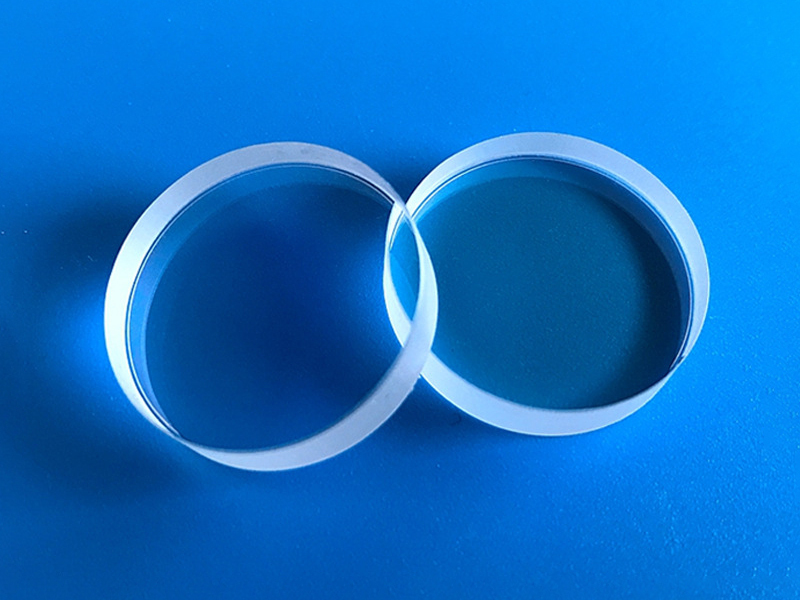
Collimating lenses work with point light sources from energy-transmitting optical fibers. Light exiting the fiber has a divergence angle (theta). By placing the point source at the focal point of the collimating lens, divergent light is converted into a parallel beam.
Output beam diameter = 2F x tan(theta/2). Example: divergence 10 deg, F=150mm gives 2x150xtan(5 deg) = 26.25mm.
Collimating and Focusing Lens Relationship
After the collimating lens, laser enters the focusing lens. Energy density ratio = Collimating F / Focusing F. E.g., 75mm/150mm = 1/2, meaning focused spot area doubles and energy density halves.
Why Reduce Energy Density?
- Shorter focusing F = shallower depth of focus = limited cutting depth.
- Shorter F = smaller spot and narrower kerf = harder for slag to escape = incomplete cutting.
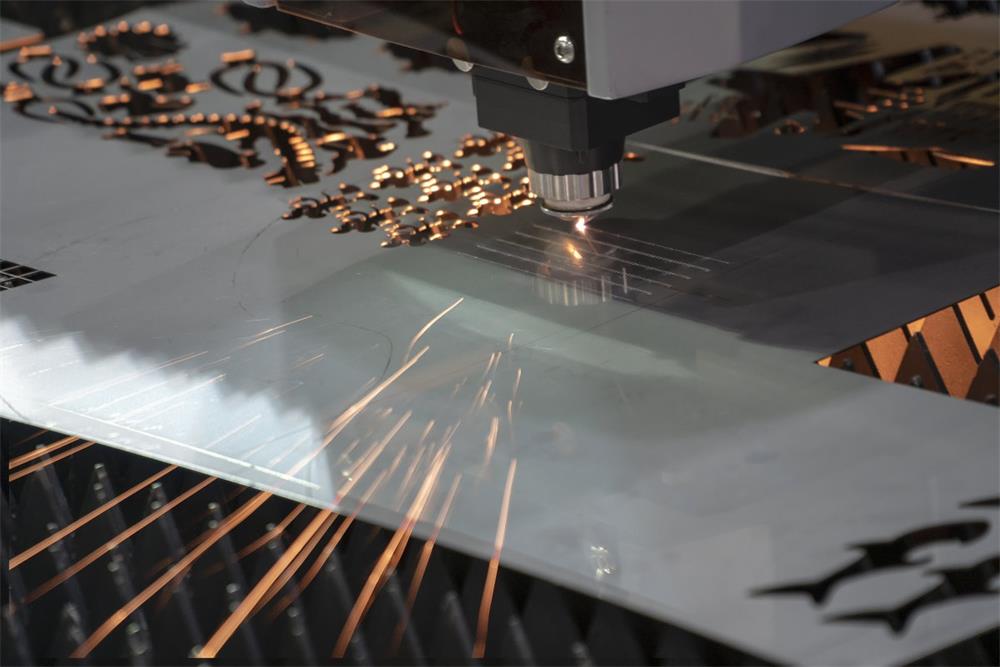
Therefore 120-150mm focusing lenses are preferred for fiber laser cutting.
Why Not Long-F Collimating Lenses?
- Larger lens diameter needed, complicating mechanical design.
- Makes focusing point very sensitive to deviation, causing incomplete cuts.
Typical collimating lens focal lengths for fiber cutting: 60-100mm.
Beam Expanders
Beam expanders also collimate, but work with beams (not point sources). Used with CO2 tubes, RF tube, YAG, fiber lasers with QBH, and end-pumped 355/532/1064nm lasers.
Beam waist radius x divergence angle = constant. Expanding the beam waist reduces divergence. An N-times expander reduces divergence to 1/N. E.g., 4x expander gives 1/4 original divergence.
Product Specs
Expanders: CO2, 532/355/1064/650nm. Magnifications: 2x to 100x.
Collimators: Welding F100-180mm; Cutting: dia.30 F100, dia.28 F60, dia.25.4 F75 (two-element).