
Introduction
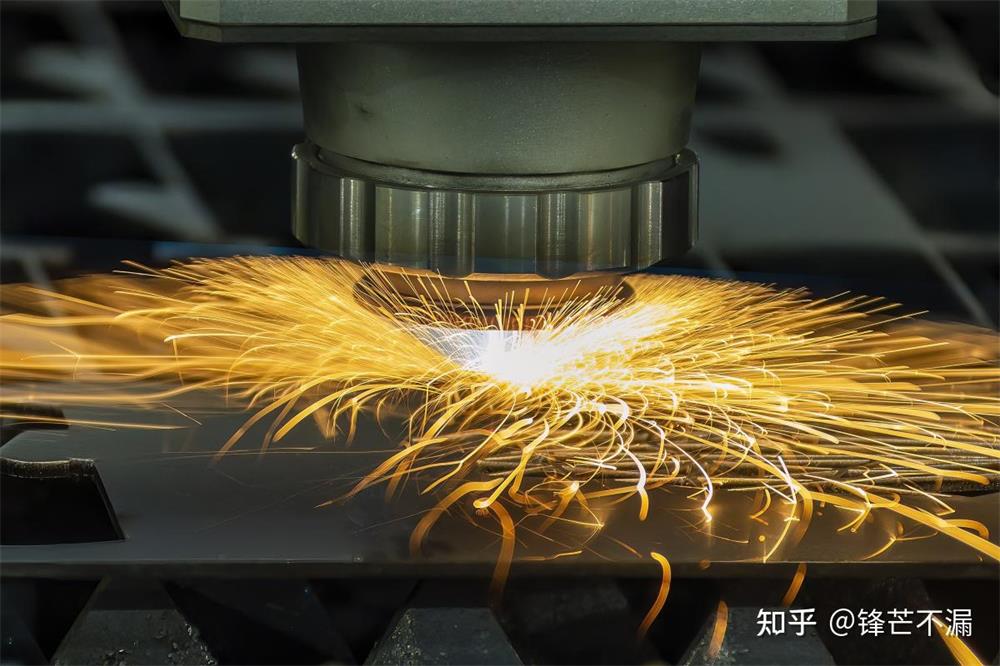
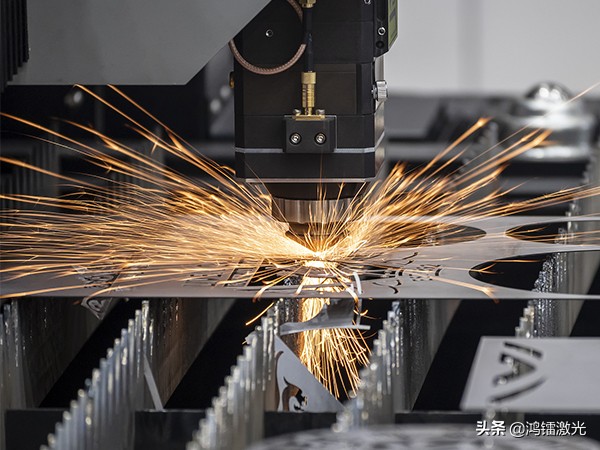
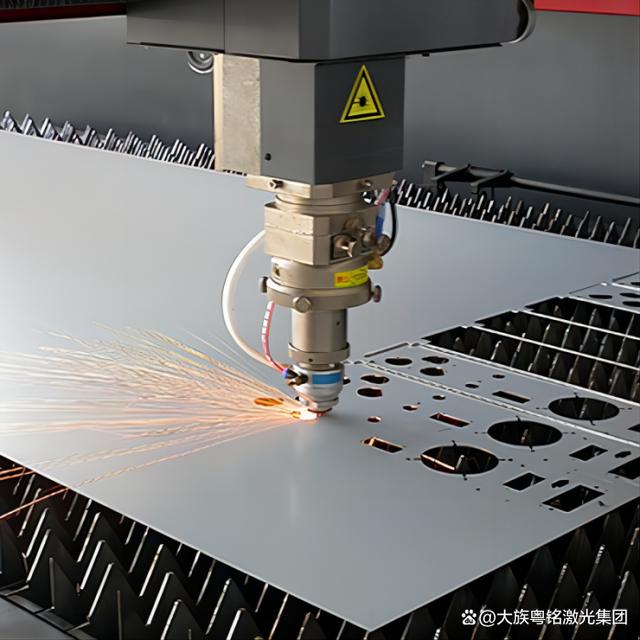
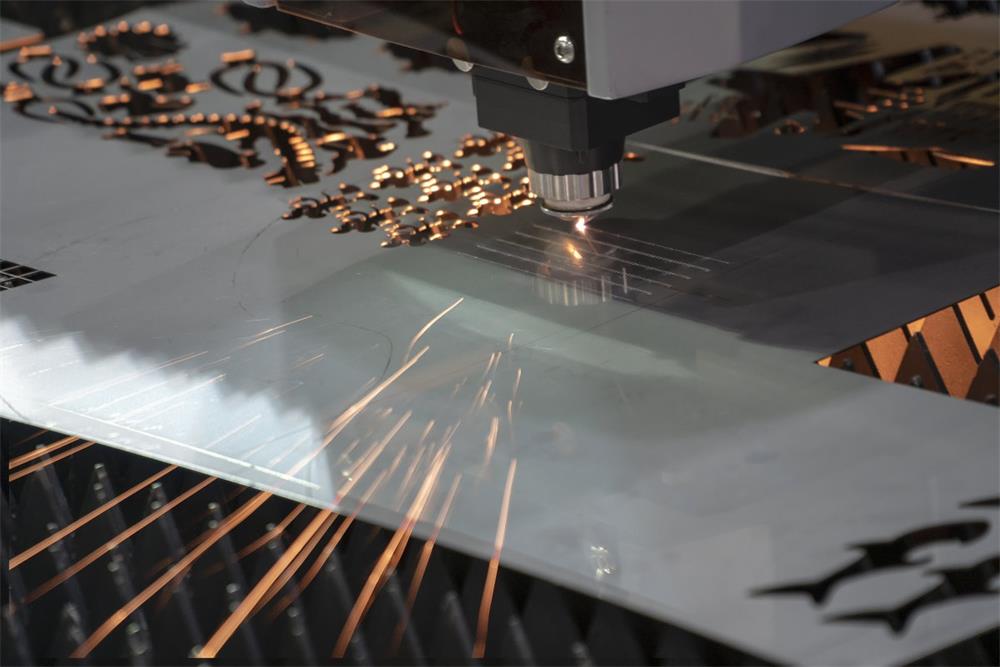
Fiber laser cutting machines can perform both flat and bevel cutting with clean, smooth edges. They are ideal for high-precision metal sheet processing, offering high accuracy, fast speed, narrow kerf, small heat-affected zone, and smooth burr-free cut surfaces. The laser head does not contact the material surface, preventing workpiece scratching.
So what causes deformation in finished products during cutting? Here are the main reasons:
1. Equipment Component Failure
Fiber laser cutting machines are large cutting equipment composed of multiple integrated components. When core components malfunction, it is natural that metal material processing quality may be affected. Timely repair and maintenance can resolve these issues.
2. Normal Micro-Deformation
Fiber laser cutting machines do not guarantee zero deformation in workpieces. Compared to other cutting equipment, material deformation is significantly less. Blaming the machine for very minor deformation that naturally occurs during any thermal cutting process is unreasonable.
3. Material Mismatch
The material type and thickness not matching the equipment specifications is the most common cause of deformation. Some highly reflective materials require special surface treatment before cutting; cutting without treatment will cause issues. When material thickness does not match the machine power rating, processing quality is further compromised. These factors lead to uneven heating and subsequent deformation.
4. Improper Machine Calibration
Although fiber laser cutting machines are highly technical, they require professional setup before operation. The machine must be properly calibrated before cutting begins. Many users overlook this step and rush to start cutting without proper calibration, which inevitably affects cutting quality and can contribute to workpiece deformation.
Summary
To minimize workpiece deformation: ensure equipment is well-maintained, match materials to machine specifications, treat reflective surfaces appropriately, and always perform proper calibration before cutting operations.