
Introduction
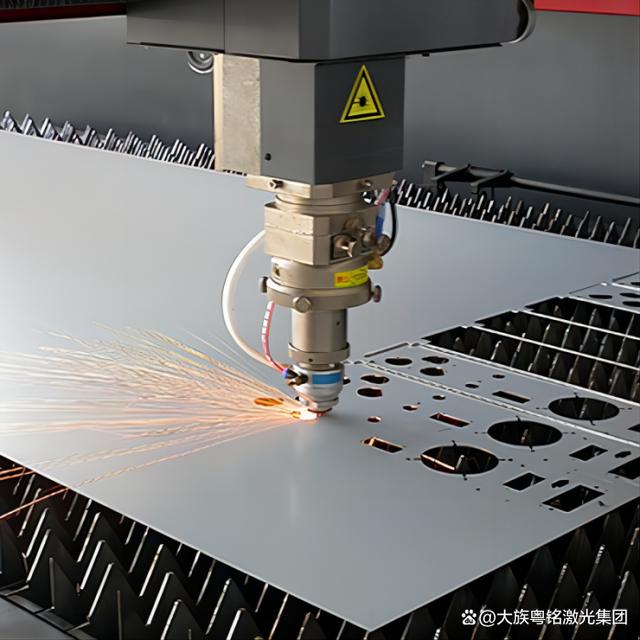
In laser cutting, gas selection is critical. Different gases have distinct characteristics and advantages. The most commonly used cutting gases are air, nitrogen, and oxygen. Below is a detailed overview of their features and suitable applications.
1. Air Cutting
Air is an economical cutting gas and offers the fastest cutting speed among the three options, making it suitable for various materials. However, for thicker plates, air cutting produces suboptimal results and tends to generate burrs on the cut edges.
2. Oxygen Cutting
Oxygen is ideal for applications requiring high-quality cut surfaces with a burr-free finish. Although oxygen cutting speed is slower compared to air, it delivers excellent cut surface quality, making it the preferred choice when surface finish is a priority.
3. Nitrogen Cutting
Nitrogen does not support combustion, which effectively reduces oxidation and melting on the material surface. It is particularly suited for stainless steel cutting, as it preserves the corrosion-resistant properties of the cut edges. However, nitrogen is relatively expensive and typically requires an on-site nitrogen generator for cost-effective use.
Summary
Air offers the best economy and speed but struggles with thicker materials. Oxygen provides superior surface quality at slower speeds. Nitrogen delivers the cleanest cuts for stainless steel at a higher cost. Choose the gas that best matches your material, thickness, and quality requirements.