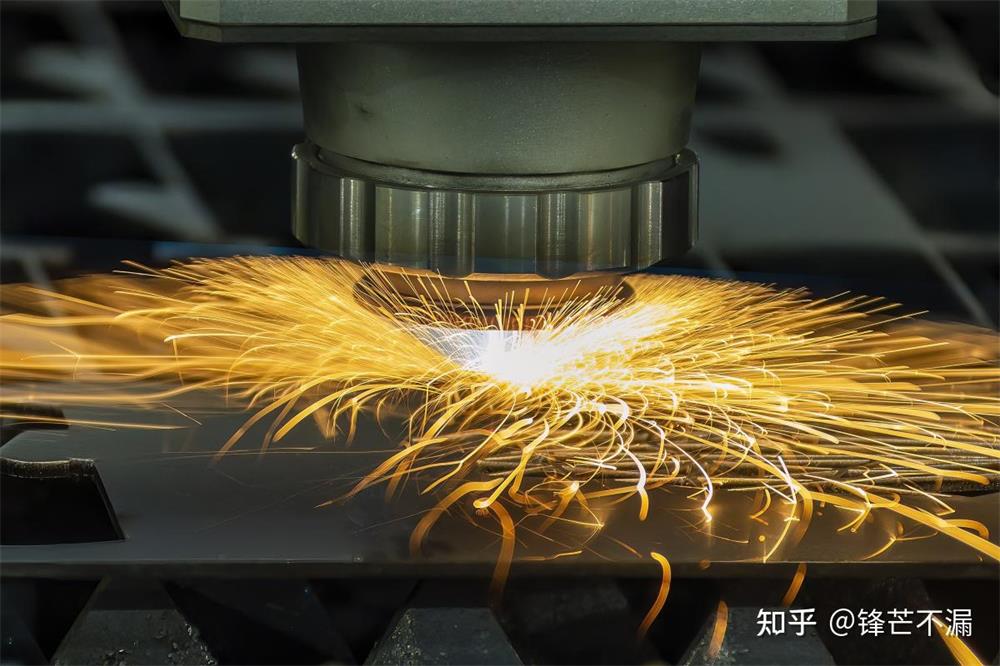

Introduction
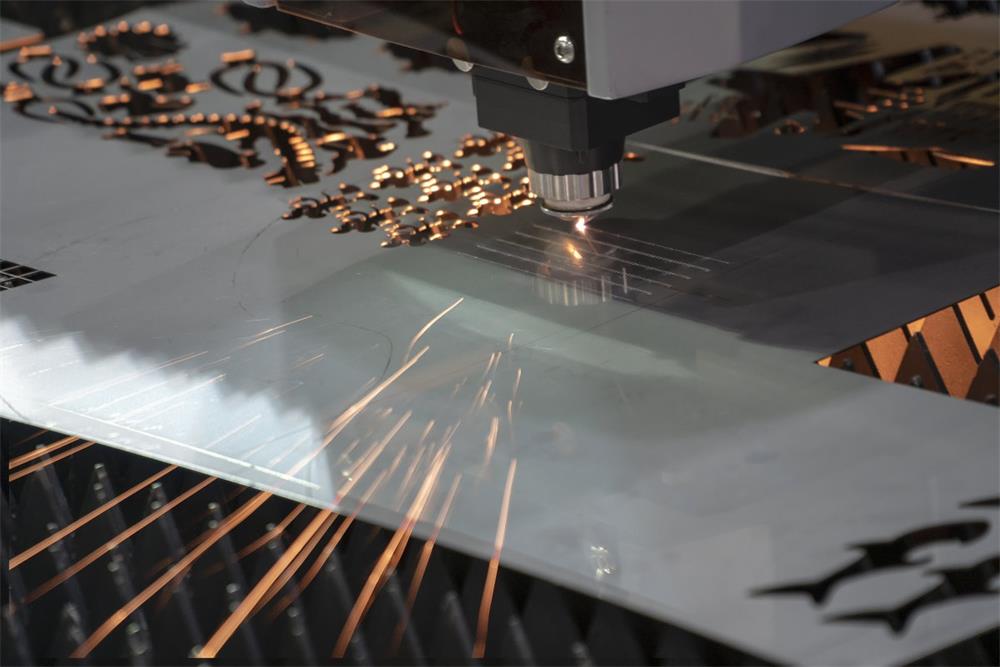
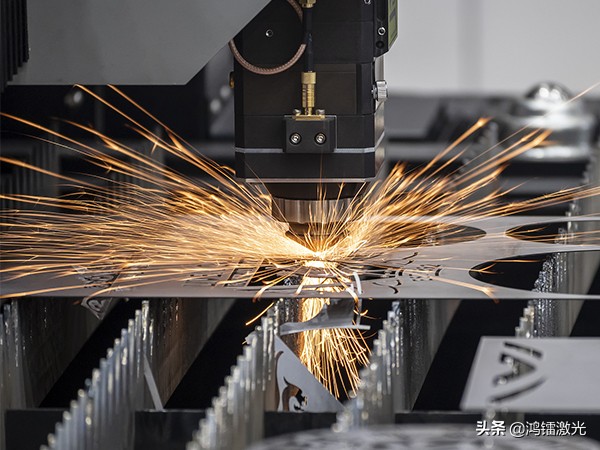
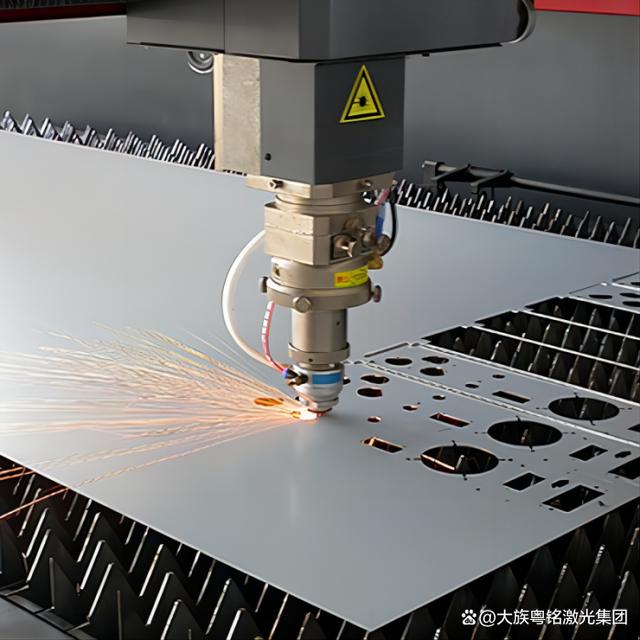
Different workpieces require different focal point modes when laser cutting. Selecting the correct focal point setting is essential to maximize the performance advantages of your laser cutting machine.
Positive Focal Point (Focus Above the Workpiece Surface)
When the laser focal point is set above the cutting surface, the cutting beam has a wider spread at the material surface. This mode is primarily used for oxygen cutting of carbon steel plates. Placing the focus above the material ensures a larger cutting width, which is necessary for thicker materials. Without sufficient cutting width, the oxygen delivered by the nozzle can become oxygen-starved, reducing cutting temperature.
Zero Focal Point (Focus on the Workpiece Surface)
When the focal point is exactly on the cutting surface, this is known as zero focal point. Because the focus is close to the cutting surface, the cutting width is relatively narrow compared to positive focal point mode. The required cutting gas flow is larger and the temperature is higher, which can affect the cutting kerf and cross-section quality. Perforation time is slightly longer in this mode.
Negative Focal Point (Focus Below the Workpiece Surface)
When the laser focal point is set below the cutting surface, this mode is commonly used for air or nitrogen cutting of stainless steel. It is particularly suited for cutting thicker materials where a concentrated energy point below the surface ensures clean, high-quality cuts through the full material thickness.
Summary: Choosing the Right Focal Point
- Positive focal point: Oxygen cutting of carbon steel plates. Wider beam spread for thick materials.
- Zero focal point: General-purpose setting. Focus directly on the material surface.
- Negative focal point: Air/nitrogen cutting of stainless steel and aluminum. Best for thicker, harder materials.
Selecting the appropriate focal point mode ensures your laser cutting machine delivers optimal cutting performance, clean edges, and consistent quality across different materials and thicknesses.